


How UO Women in Graduate Science supports the next generation
An annual fundraising event helps this student group provide financial awards, mentorship programs, and more to advance equity in the STEM field.
Story by Sammy Houston
Photos by Andy Nelson
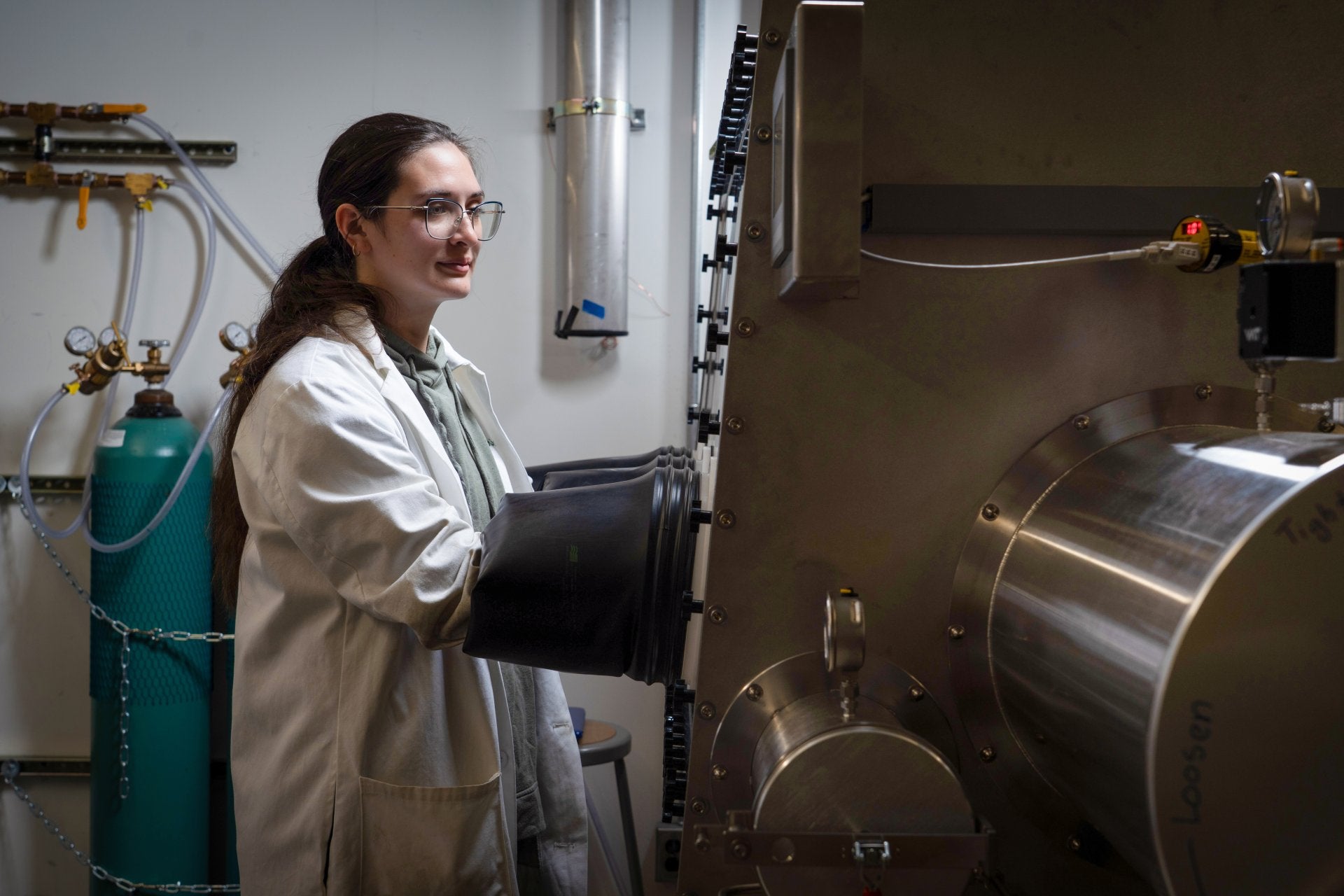
Women comprise only about 35 percent of the science, technology, engineering, and mathematics (STEM) workforce despite being awarded half of the bachelor’s degrees in the field. At the University of Oregon, Women in Graduate Science (UOWGS) strives for gender equality by focusing on the professional development of women and marginalized genders in all disciplines of science—and donor support makes a big difference.
Through financial awards, mentorship programs, outreach initiatives, and professional development, the group aims to reduce the financial and social disadvantages that often limit participation in science. Each year, it hosts a DuckFunder crowdfunding campaign alongside an annual fundraising dinner to support this work.
In 2025, those efforts raised more than $13,000, far exceeding UOWGS’s initial fundraising goal of $5,000. In 2026, the trend continued, with the group raising 227% of its original funding target—showcasing the collective power of small donations to fuel student organizations.
The importance of donor support for scientific research
UOWGS’s mission is professionally and personally meaningful for Allison LaSalvia, a PhD candidate in the UO’s Chemistry and Biochemistry program and a fundraising co-chair for the group. Her involvement in the organization’s fundraising efforts grew from her own experience as an undergraduate researcher—made possible by grant funding.
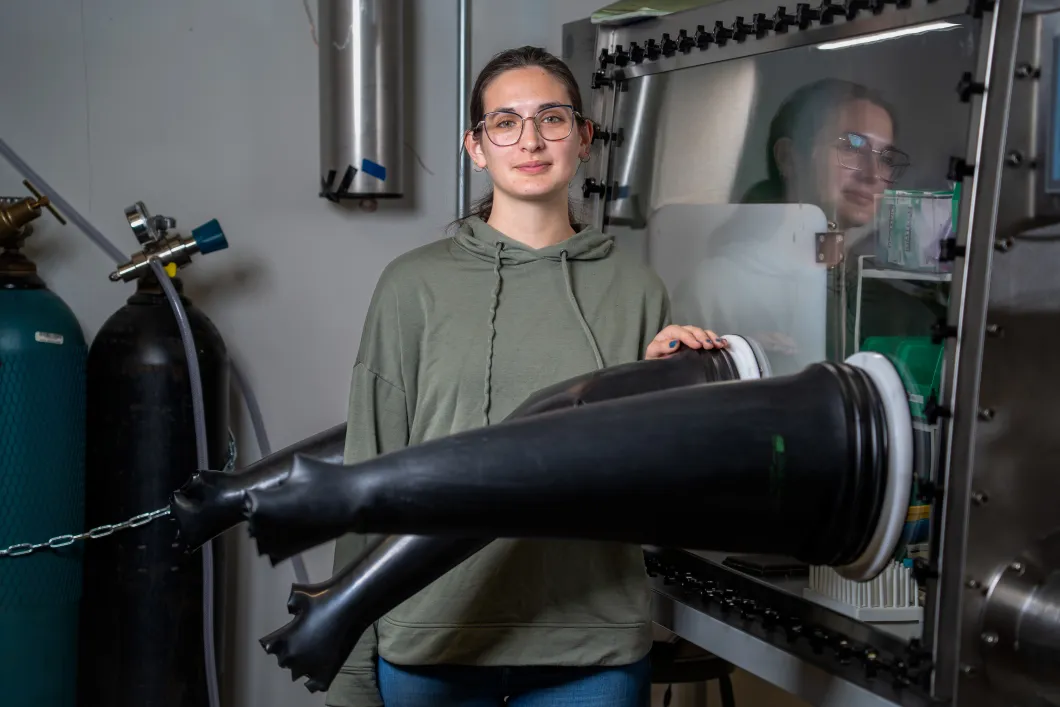
“Being able to do that research was a primary reason why I decided to go to graduate school, and also why I got in,” she said.
That early exposure to research shaped the trajectory of her academic career, but it also highlighted how funding-dependent these opportunities can be. Without monetary aid, many students are unable to participate in the kind of summer research that often serves as a steppingstone to graduate school and scientific careers.
Over the past year, LaSalvia has also seen how vulnerable research can be to broader funding shifts. Changes in federal grant priorities have created uncertainty across academic labs, making philanthropic support even more essential.
“It was a wake-up call,” she stated.
Individual donations, she explained, play a critical role in sustaining research when government funds change. They ensure that students don’t lose access to formative academic experiences.
Shifting perceptions of who belongs in STEM
For many students, science can feel inaccessible long before they ever consider pursuing it. Audrey Klein, also a PhD candidate in the Chemistry and Biochemistry program and a UOWGS fundraising co-chair, has witnessed firsthand the challenge of how people talk about and perceive the sciences.
“When I meet someone who is not a chemistry major and they ask what I’m studying, I think nine times out of ten, people are like ‘oh that’s too hard I could never do that.’ It’s important to help people understand science and know that it’s not scary or too hard for them. We want people at young ages to be able to experience science and figure out what they want to do based on their preferences, not feeling like they can’t do it or it’s inaccessible.”
— Audrey Klein
Klein and LaSalvia also emphasized that representation plays a key role in shaping whether students feel they belong in scientific spaces.
“When you see people that look like you, you feel like you belong in that space,” LaSalvia said. “But currently that starts to decrease as you move up in academia.”
The lack of representation, combined with financial strain and limited access to mentorship, creates a layered set of difficulties that UOWGS aims to address.
Raising funds for student awards
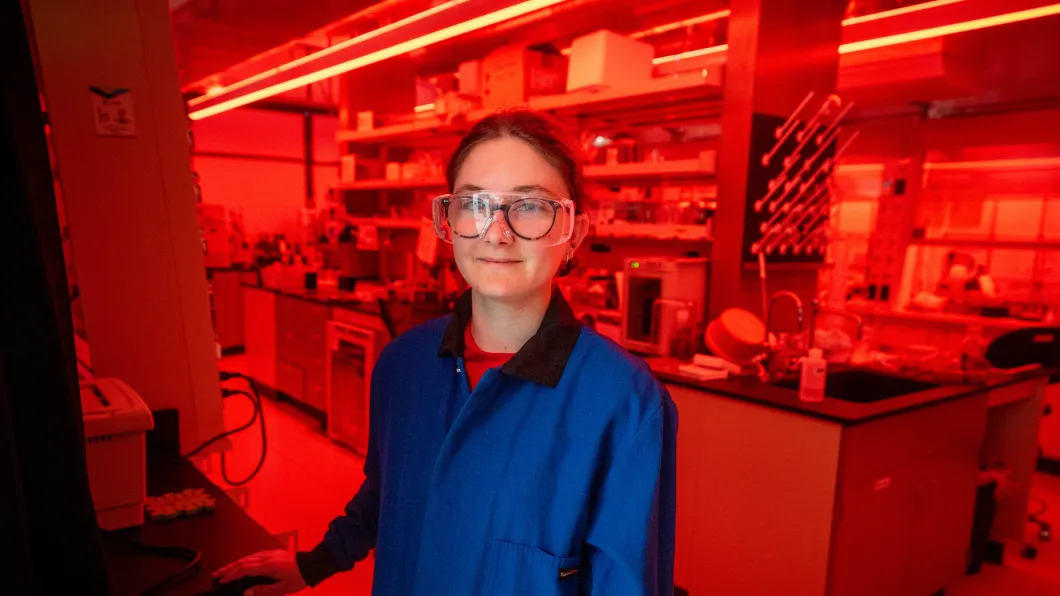
A central component of UOWGS’s work is its awards program. These annual funds alleviate financial pressure and expand access to research, leadership opportunities, and professional development:
- Graduate Conference Award
- Graduate Leadership Award
- Parenting Award
- Undergraduate Summer Research Award
- Undergraduate Transition Award
At a past fundraising event, one Graduate Leadership Award recipient shared how the support allowed her to transform her research on octopuses into a children’s book that she both wrote and illustrated. The project helped make complex scientific ideas accessible to younger audiences.
A first-generation student also spoke about how the Undergraduate Transition Award helped her navigate the challenges of entering higher education and accessing research experiences she might not otherwise have been able to pursue.
Providing mentorship from K–12 through graduate school
UOWGS also invests in outreach programs aimed at cultivating interest in science from an early age. One of its most impactful initiatives is Girls’ Science Adventures, a hands-on program designed to introduce young students to scientific thinking through interactive activities and experiments.
“I think that starting with kids when they’re younger is important, showing that science is for you and you have a place here,” LaSalvia said.
These programs are intentionally offered at no cost to participants, ensuring that financial hardship doesn’t limit access to early science education.
But mentorship doesn’t stop after K–12. UOWGS also hosts speakers and Q&A sessions focused on professional development for both graduate and undergraduate students preparing for careers in academia, industry, and beyond. One of its key resources is the Joint Undergrad-Grad Mentorship Program, which pairs an undergraduate with a graduate student in the same department to offer advice and connect them with resources.
How you can support Women in Graduate Science
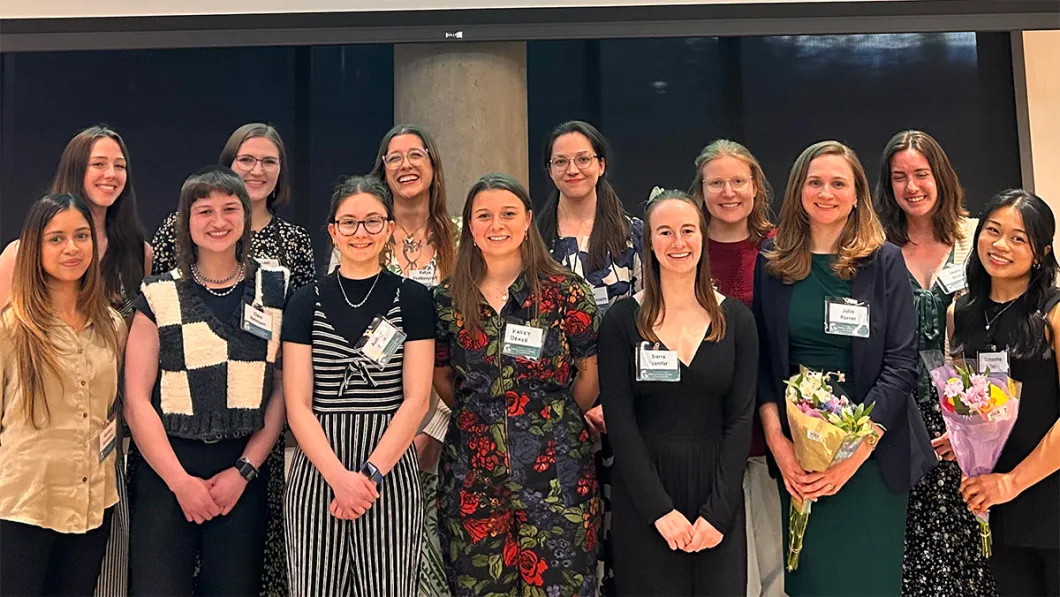
Clear goals drive UOWGS: expand access to science for students of all backgrounds, empower women and marginalized genders in STEM throughout their academic journeys, and build a more inclusive and collaborative scientific community.
UOWGS fundraises each year to support its awards, outreach programs, and student development initiatives. LaSalvia sees this as a chance to both ensure the success of individual students and advance the future of science as a whole.
“You can change the world by helping make better scientists.”
— Allison LaSalvia
Help ensure that future generations of scientists have the support they need to flourish by following UOWGS to learn more about its annual fundraising campaign or by making a donation to the group today.